The RARE Model
Assessment works better when people are at the center.
Build the trust, confidence, and shared readiness that help people turn assessment results into meaningful action.
- Reduce resistance
- Strengthen partnership
- Move evidence into action
How the model helps
Turn assessment from a requirement into a shared practice.
Use relationship-centered strategies to make conversations more productive, connect evidence to everyday work, and build a culture where assessment supports learning.
- Reduce resistance and defensiveness
- Build confidence with evidence and results
- Connect data to decisions and daily practice
- Encourage honest, sustained collaboration

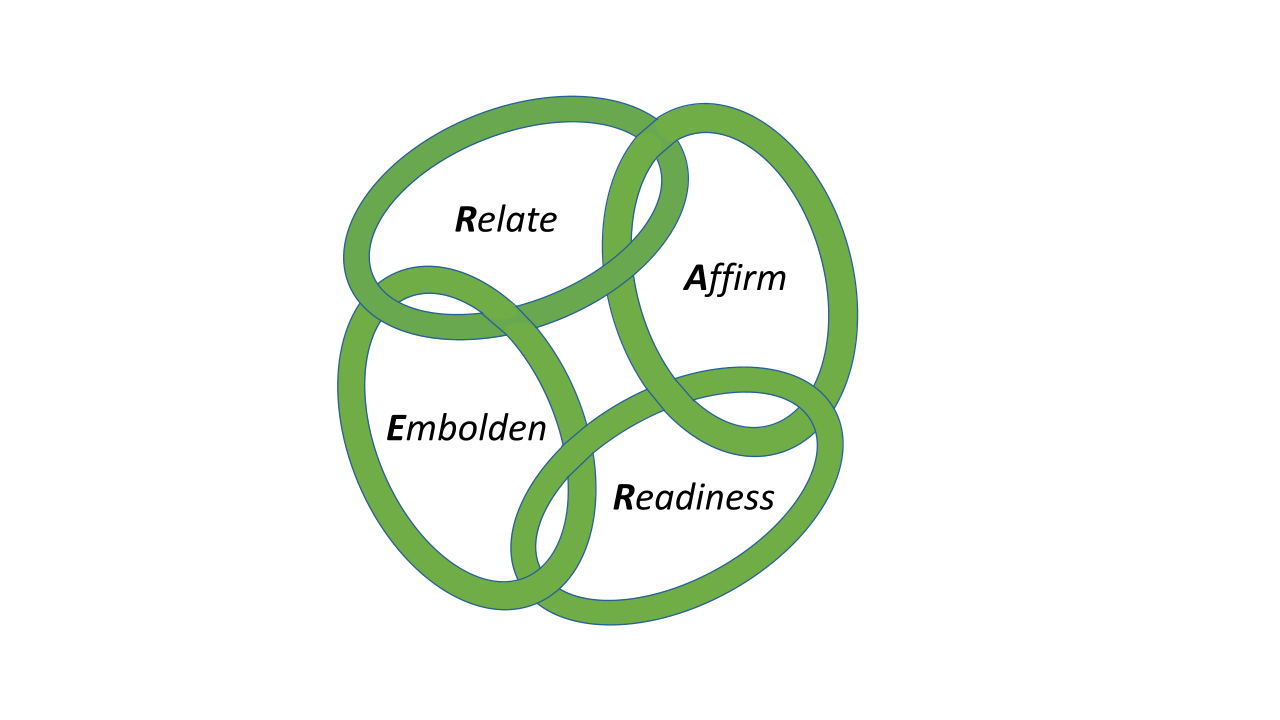
A relationship-centered framework
Four practices that make assessment more human and more useful.
RARE helps assessment leaders move beyond uncertainty and resistance by attending to the relationships that make learning, reflection, and change possible.
Relate
Build trust and genuine partnership before asking people to interpret evidence or change practice.
Affirm
Recognize strengths, progress, and professional expertise so people can take ownership of the work.
Readiness
Treat resistance as useful information and meet people where they are in the change journey.
Embolden
Reduce fear, build confidence, and empower people to share findings and act on what they learn.
The book
A practical guide for leading assessment through relationships.
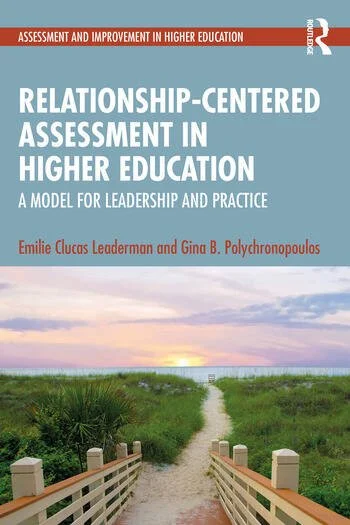
Relationship-Centered Assessment in Higher Education: A Model for Leadership and Practice brings the RARE framework, strategies, and reflection tools together in one practice-ready resource.
By Emilie Clucas Leaderman and Gina B. Polychronopoulos · Routledge · Publishing October 16, 2026